How to read the ingredient list on a CBD cream, balm or gel in the UK
The back of a CBD cosmetic follows a few fixed rules, and once you know them you can read a label in a minute. We walk through the rules and then through real lists from the UK shops we compared, all read on 22 November 2026.
Ad. This page has links to shops that pay us a commission if you buy. It does not change the order: products are sorted by price per mg. More on how we earn
On this page (9 parts)
- The rule that makes a list readable: descending order of weight
- Which names signal CBD, and which do not
- Worked example one: HEMPE, with seed oil early and CBD far down
- Worked example two: CBD Armour, plant name last and no amount
- Worked example three: Orange County, with the CBD in ninth place and a stated amount
- What menthol, camphor and the other sensation ingredients are doing on the list
- Who is responsible for the product, and what a notification is
- A five-step routine for any CBD cosmetic
- What an ingredient list cannot tell you
Colour tubes have taught me to read the back of everything. In the salon every developer, toner and bond builder has a little block of small print, and I know which names sit at the front because they are most of the bottle. When a client asks me whether a CBD cream is "any good", I do the only thing I know how to do: I turn it over and start at the top.
It took me about a minute, and what I read was not what I expected. Water first, a couple of emulsifiers, an oil, a preservative, and then, sitting between a fragrance allergen and the end of the list, a single word: Cannabidiol. No amount, no clue. That is how most CBD labels look, and this page explains what each part of the list can and cannot tell you. It uses real lists from the products we compared at three UK shops, all read from the brands' product pages on 22 November 2026. We have not tried any of the products; we are reading, not reviewing.
The rule that makes a list readable: descending order of weight
In Great Britain, a cosmetic's ingredient list has to be headed with the word "ingredients" and set out in descending order of weight. The rule sits in article 19 of the Cosmetic Products Regulation as it applies here after Brexit, and the official guidance on making cosmetic products available in Great Britain repeats it. Names are meant to come from a standard glossary, which is why you see "Aqua" and "Butyrospermum Parkii Butter" instead of "water" and "shea butter".
The first few ingredients are therefore most of the product by weight. On a cream, "Aqua" in first place usually means a water-based emulsion. On a balm, an oil or a wax in first place means little or no water. That is the quickest piece of information on the label and the one most people never use.
The rule has an exception that matters a great deal for CBD. Ingredients that make up less than 1 percent of the formula may be listed in any order after the ones above 1 percent. So the order is trustworthy at the top and not trustworthy at the bottom. A preservative, a fragrance, a colour and, often, the CBD ingredient all live in that bottom zone. Where exactly the 1 percent line falls on a given list is not marked, and you cannot see it. All you can say is that the order stops being informative somewhere after the first handful of ingredients.
A related point. Colourants are listed last, in any order, and are often shown by their colour index number (a code starting "CI"). You will see this on the two HEMPE gels we read, where the final entries are "CI 16255" and "CI 42090", which are colour codes, not CBD.
Which names signal CBD, and which do not
This is the part people ask me about at the chair. There are four names you are likely to meet on a CBD cosmetic, and they are not the same thing. Here is how they appear on the labels we read.
- Cannabidiol is the compound itself. SOOL's cooling roll-on lists it in sixth place, HEMPE's gels write it "Cannabidiol (CBD)", and Orange County CBD's balms write "Cannabidiol Isolate". When a list says this, the brand is declaring that the compound is in the product. It still does not tell you how much.
- Cannabis Sativa Leaf Extract is a plant extract. SOOL uses it for the CBD source in its eye cream (ninth of 32) and its facial oil (eleventh of 19).
- Cannabis Sativa L. is the species name with its author abbreviation. CBD Armour puts it last in its day and night creams. The list does not say what part of the plant or how it was extracted.
- Cannabis Sativa Seed Oil is oil pressed from hemp seed. It is a carrier oil, like sunflower seed oil. It appears in SOOL's gels in third place and in its facial oil in fifth place, next to a separate CBD ingredient. On its own it does not indicate that any CBD is present, and a product that lists seed oil but none of the other three has not declared CBD at all.
Some brands also print plain-English names. HEMPE writes "Hemp Seed Oil" and "Cannabidiol (CBD)" next to the standard names, and adds common names in brackets (Wild Mint, Peppermint, Lemon). That is easier to read, and a reasonable thing for a shop page to do, though the glossary names are the legal ones and the pack is the reference. A few shop pages print only part of the list and say so ("check the physical label for the complete current list"). Where that happens, we call it partial and do not take it as complete.
Two more labels deserve a mention, because they use a longer phrase. Holland and Barrett's own muscle balm range prints "Cannabidiol - Derived From Extract Or Tincture Or Resin Of Cannabis" in its list, and a Boots cream by Eusphera prints "Cannabidiol (CBD) (Obtained from the non-prohibited parts of the Cannabis sativa L. plant in compliance with Regulation (EC) No. 1223/2009)". These are the same compound named with the brand's note about where it comes from. I read both on 22 November 2026 and describe them on our page about CBD creams at Holland and Barrett, Boots and Superdrug. I mention them here because they show that "what the label says" can include a sentence about origin, and a careful reader should note it and, if they care, ask the brand about it.
Worked example one: HEMPE, with seed oil early and CBD far down
HEMPE's warming gel is a good first label to practise on, because it is a complete list and the CBD is easy to spot. The brand states 50mg of CBD in a 50ml tube, which is 1mg per ml. The shop price was £23.99 on 22 November 2026, which works out at 47.98p per mg. Here is the list as the brand prints it.
- 1Aqua
- 2Alcohol Denat.
- 3Glycerin
- 4PEG-35 Castor Oil
- 5Sodium Polyacrylate
- 6Menthol
- 7Eugenia Caryophyllus Leaf Oil (Clove Leaf)
- 8Hydrogenated Polydecene
- 9Eugenol (Clove Oil)
- 10Hemp Seed Oil
- 11PEG-8 Dimethicone
- 12Tocopherol (Vitamin E)
- 13Vanillyl Butyl Ether
- 14Diheptyl Succinate
- 15Capryloyl Glycerin/Sebacic Acid Copolymer
- 16Trideceth-6
- 17Cannabidiol (CBD)
- 18Eucalyptus Globulus Leaf Oil (Eucalyptus)
- 19Limonene
- 20Geraniol
- 21Sodium Chloride
- 22Sodium Sulfate
- 23CI 16255. Check the tube for the complete current ingredient and allergen information before use
What can we read from it, and what can we not? Aqua is first, then Alcohol Denat., then Glycerin, so this is a water-and-alcohol gel base, not a cream. Menthol is sixth and clove leaf oil seventh; those are ingredients that give a sensation on the skin, and I come to them below. Hemp Seed Oil is tenth, a carrier oil, and the CBD, written "Cannabidiol (CBD)", is seventeenth of 23.
That gap is the lesson. A reader who sees "hemp" near the top might assume the product is full of CBD. The label does not say so. The seed oil is a different ingredient from the compound, and the compound is a long way down. At 1mg per ml, the stated amount is roughly 0.1 percent of the product by volume, well below the 1 percent line, which explains why it sits where it does. The ingredients above it are not necessarily above 1 percent either; the list does not mark where that line falls.
It also shows what the mg figure is for. Nothing in the list tells you "1mg per ml". That came from the brand's product page. Without it you would know there is CBD and not how much, and that is exactly the situation with a good many creams.
Worked example two: CBD Armour, plant name last and no amount
CBD Armour's day cream has a different kind of label: a complete list, a cream base, and no figure. We read it on 22 November 2026; the day cream was £14.99 and the page printed neither a pot size nor a CBD amount.
- 1Aqua
- 2Glyceryl Stearate SE
- 3Caprylyl Caprylate/Caprate
- 4Caprylic/Capric Triglyceride
- 5Cetearyl Alcohol
- 6Glycerin
- 7Olus Oil
- 8Simmondsia Chinensis (Jojoba) Seed Oil
- 9Tocopherol
- 10Dimethicone
- 11Prunus Serrulata Flower Extract
- 12Sodium Carrageenan
- 13Phenetyl Alcohol
- 14Sea Salt
- 15Helichrysum Italicum Extract
- 16Panthenol
- 17Tocopheryl Acetate
- 18Sodium
- 19Polyacrylate
- 20Ethylhexylglycerin
- 21Phenoxyethanol
- 22Citric Acid
- 23Cannabis Sativa L.
This is a classic cream. Aqua first, then Glyceryl Stearate SE and a pair of light esters, Cetearyl Alcohol and Glycerin, then jojoba oil, tocopherol, dimethicone, cherry blossom extract and a run of conditioners and preservatives. The plant name, "Cannabis Sativa L.", is the 23rd and last entry. Under the 1 percent rule, last place does not prove it is the smallest ingredient, and it does not tell you the amount; it tells you that the brand names the plant in the list.
The night cream from the same brand has an almost identical list, with Persea Gratissima (Avocado) Oil added, and the plant name again last. That makes the pair a useful test of the rule. Two products with a nearly identical order and different names on the front do not tell you whether they differ in CBD. Only an amount from the brand would. We cover both in our guide to CBD face creams.
Worked example three: Orange County, with the CBD in ninth place and a stated amount
For contrast, here is a label where the amount is stated and the order matches it. Orange County CBD's warming balm in the 50ml size states 1000mg of CBD, which is 20mg per ml, or very roughly 2 percent of the product. It was £33.99 on 22 November 2026, 3.4p per mg. The list, as the brand prints it:
- 1Aqua
- 2Menthol
- 3Gaultheria Procumbens
- 4Caprylic/Capric Triglyceride
- 5Hamamelis Water
- 6Isopropyl Myristate
- 7Isopropyl Alcohol
- 8Eucalyptus Globulus Leaf Oil
- 9Cannabidiol Isolate
- 10Cinnamomum Camphora Bark Oil
- 11Rosmarinus Officinalis Leaf Oil
- 12Polysorbate 20
- 13Carbomer
- 14Sodium Hydroxide
- 15Phenoxyethanol
- 16Aloe Barbadensis Extract
- 17Lavandula Angustifolia
- 18Panax Ginseng Root Extract and Imidazolidinyl Urea
- 19according to the brand
At roughly 2 percent, the CBD is above the 1 percent line, so descending order should apply to it, and it does: "Cannabidiol Isolate" is ninth, after water, menthol, a wintergreen oil, a triglyceride, witch hazel water, isopropyl myristate, isopropyl alcohol and eucalyptus oil. The things above it are present at higher weights. The things below it, rosemary, camphor, the polysorbate, carbomer, preservatives, are at lower weights or are in the free-order zone.
This is only an illustration, because the percentages here come from a back-of-envelope conversion of mg to ml and assume the product weighs about the same as water. But it shows the rule working as designed: when the amount is high enough, the CBD sits in the part of the list where position means something. When it is low, as in HEMPE's gel, the position tells you nothing about the amount.
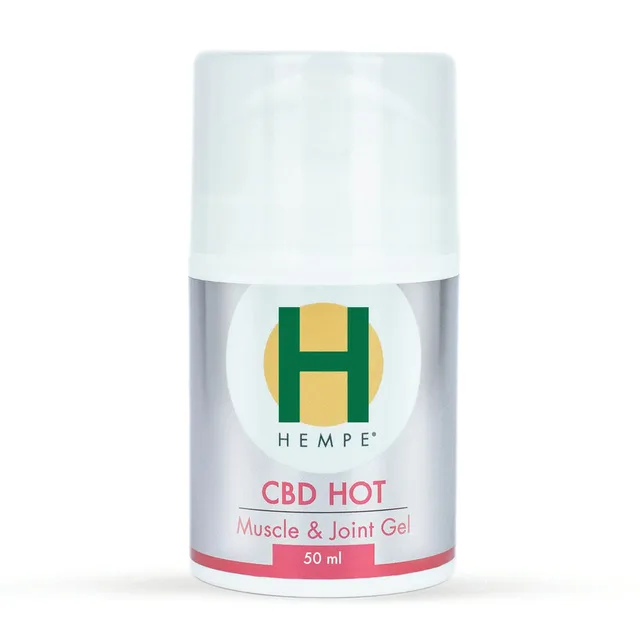
HEMPE · sold by The CBD Hut
HEMPE Warming CBD Gel 50mg
- Size
- 50 ml
- CBD stated
- 50 mg
- Strength
- 1 mg per ml
- Price per mg
- 48p
£23.99price read 23 Nov 2026
Also sold as 150ml: £49.99 (33p per mg)
Ingredients as listed (summary, not the full list)
Aqua, Alcohol Denat., Glycerin, PEG-35 Castor Oil, Sodium Polyacrylate, Menthol, Eugenia Caryophyllus Leaf Oil (Clove Leaf), Hydrogenated Polydecene, Eugenol (Clove Oil), Hemp Seed Oil, PEG-8 Dimethicone, Tocopherol (Vitamin E), Vanillyl Butyl Ether, Diheptyl Succinate, Capryloyl Glycerin/Sebacic Acid Copolymer, Trideceth-6, Cannabidiol (CBD), Eucalyptus Globulus Leaf Oil (Eucalyptus), Limonene, Geraniol, Sodium Chloride, Sodium Sulfate, CI 16255. Check the tube for the complete current ingredient and allergen information before use
Ad · we earn a commission if you buy
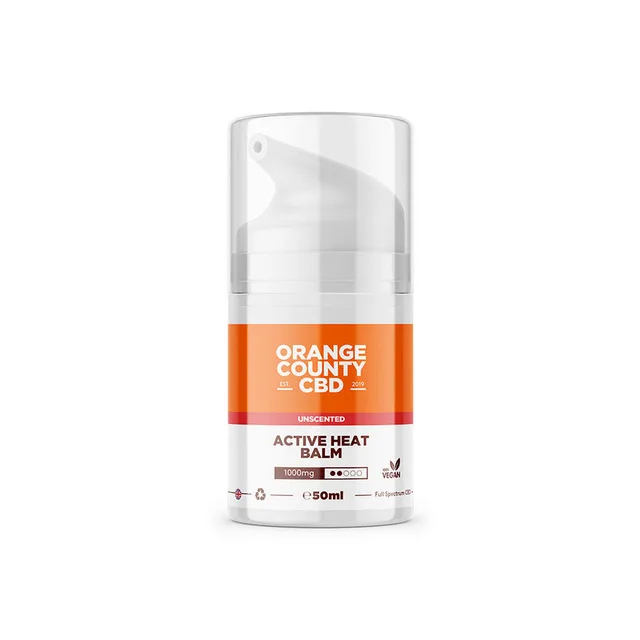
Orange County CBD · sold by The CBD Hut
Orange County CBD Warming Balm 1000mg
- Size
- 50 ml
- CBD stated
- 1,000 mg
- Strength
- 20 mg per ml
- Price per mg
- 3.4p
£33.99price read 23 Nov 2026
Ingredients as listed (summary, not the full list)
Aqua, Menthol, Gaultheria Procumbens, Caprylic/Capric Triglyceride, Hamamelis Water, Isopropyl Myristate, Isopropyl Alcohol, Eucalyptus Globulus Leaf Oil, Cannabidiol Isolate, Cinnamomum Camphora Bark Oil, Rosmarinus Officinalis Leaf Oil, Polysorbate 20, Carbomer, Sodium Hydroxide, Phenoxyethanol, Aloe Barbadensis Extract, Lavandula Angustifolia, Panax Ginseng Root Extract and Imidazolidinyl Urea, according to the brand
Ad · we earn a commission if you buy
The two products above are a handy pair for comparing a low stated amount with a high one. Both lists are complete as printed on the shop pages. Prices are as read on 22 November 2026 (Black Friday week; shops change prices often).
What menthol, camphor and the other sensation ingredients are doing on the list
Many of the balms, gels and rubs on this site list menthol, camphor, eucalyptus or peppermint oil, clove oil and sometimes capsicum. They are on the list for the way they feel on the skin: cooling, tingling or warming. That is a sensation, and it is nothing to do with CBD. I would not read the presence of any of them as a statement about the CBD amount, and I will not claim they do anything beyond what you notice on your skin.
It is useful to know they are there for another reason. If you are sensitive to fragrance or essential oils, these are the entries to check, along with the allergen names that follow them: Limonene, Linalool, Geraniol and Eugenol are on several lists we read. Fragrance allergens are often named separately, usually near the end. They are normal on a cosmetic label; they are worth knowing about if your skin reacts to scent. At the salon I see the same names on shampoo labels and I tell clients the same thing: if a name is on your personal list, look for it on the tube.
A word on SOOL's gels, because they are a nice case. They list Cannabis Sativa Seed Oil in third place and Cannabidiol in sixth or seventh, along with menthol, arnica, rosemary and other oils. The seed oil is the carrier. The Cannabidiol entry is the CBD declaration. Two names that begin the same way, two different jobs.
Who is responsible for the product, and what a notification is
An ingredient list is only half of what the law requires on the pack. For the other half, you want the name and address of the responsible person.
Under article 4 of the Cosmetic Products Regulation as it applies in Great Britain, a cosmetic cannot be placed on the market without a responsible person established in the UK. If the maker is outside the UK, the maker must appoint one in writing; an importer becomes the responsible person unless another is named. The government's guidance adds that a UK address does not include mail forwarding or a PO box. The pack of a cosmetic should show the responsible person's name and address, and, for imports, the country of origin (article 19).
Before the product goes on sale, that person has to notify it to the authorities, as article 13 sets out and the GOV.UK page on submitting a notification explains. The service for this is called SCPN, for Submit Cosmetic Product Notifications. The same guidance says the search side of the system is intended for use only by the competent authorities, so you cannot look up a product yourself.
Two cautious conclusions. First, "notified" is an obligation to give the authority information, not a mark of approval, and we do not describe any product as "approved" or "registered as safe". Second, because the database is closed, a shopper's best tools are the pack (a UK name and address) and a direct question to the brand: who is your responsible person, is the product notified, and can I see the lab report? We cover the wider rules in our page on whether CBD creams are legal in the UK.
A five-step routine for any CBD cosmetic
Here is how I would read an unfamiliar pot, in the order I would do it. It takes a couple of minutes.
- Find the list. If the page has none, or says "check the pack", regard it as partial and ask the brand or look at the pack in a shop.
- Read the first five entries. They are most of the product by weight. Water first is a cream or gel; an oil or a butter first is a balm or an oil.
- Find the CBD declaration. Look for Cannabidiol, Cannabis Sativa Leaf Extract or Cannabis Sativa L., and do not mistake Cannabis Sativa Seed Oil for it.
- Look for the amount. It has to come from the product page or the brand, in mg for the whole pot. Divide the price in pence by the mg to get the pence per mg, and compare only products that state an amount.
- Check the pack for the responsible person's UK address, the batch details and the pot's open-jar symbol, and ask the brand for the lab report if you want to see one.
If a product passes step four with a figure, you can compare it with the rest of the shelf. Our page on the best CBD creams in the UK does that sum for every cream and lotion we found, and the reasoning is the same here: the label gives presence, the brand gives the amount, and the price turns the amount into a comparison.
What an ingredient list cannot tell you
It cannot tell you that a product works, because a list says what is in a pot and not what it does. It cannot tell you the amount of CBD, as we have seen. It cannot tell you whether the CBD is isolate, broad spectrum or full spectrum unless the brand writes that down elsewhere, and the standard list names do not make the distinction. It cannot tell you whether a batch was tested. And it cannot tell you whether the product suits your skin, which is why the old advice to patch test still stands: a small dab on the inside of the wrist, a day to wait, then decide.
What a list can do is let you compare one label with another, spot the carrier oil that is not CBD, notice a fragrance allergen before it notices you, and know what to ask. That is quite a lot for a minute's reading, and in my experience it is more than most shop assistants have time to tell you.
We earn a commission on sales made through links on this page, which is why the product cards are marked as advertising; the content does not change with the commission. How we compare is described on our method page. Prices in the cards were read on 22 November 2026.
Questions
How do I know if a cream really contains CBD?
Look for a CBD source on the ingredient list (Cannabidiol, Cannabis Sativa Leaf Extract or Cannabis Sativa L. on the labels we read), then look for an amount in mg on the product page. The list shows presence, not amount. Ask the brand for its lab report if you want the figure confirmed.
Does the order of ingredients tell me how much CBD there is?
Not reliably. Ingredients are listed in descending order of weight only down to 1 percent of the formula; below that the brand may list them in any order. A CBD ingredient near the end of a list is therefore not a measurement. The mg figure comes from the brand.
Is Cannabis Sativa Seed Oil the same as CBD?
No. It is the name for oil pressed from hemp seeds, used as a carrier oil in many creams. It can appear alongside a CBD ingredient, as in SOOL's gels, but on its own it does not mean the product contains cannabidiol.
Why do some brands write the list in plain English?
Some pages print names like Hemp Seed Oil or Wild Mint next to or instead of the standard names. The standard names come from the glossary the cosmetics rules point to. If a page prints a partial list, the brand usually says to check the pack for the full one.
What is a responsible person?
Under the cosmetics rules in Great Britain, every cosmetic on sale needs a responsible person established in the UK, whose name and address appear on the pack. That person is accountable for the product's compliance and for notifying it to the authorities before it goes on sale.
Can I check whether a product has been notified?
Not yourself. The official notification system is open to the competent authorities only, not to the public. You can ask the brand to confirm in writing that it is notified, and look for the responsible person's address on the pack.
Do menthol and camphor on a CBD balm label mean anything about the CBD?
They are separate ingredients that give a cooling or warming sensation on the skin. They are not CBD, and their presence says nothing about the CBD amount.
Sources
- Cosmetic Products Regulation, article 19 (labelling, ingredient list) (read 22 November 2026)
- Cosmetic Products Regulation, article 4 (responsible person) (read 22 November 2026)
- Cosmetic Products Regulation, article 13 (notification) (read 22 November 2026)
- Making cosmetic products available to consumers in Great Britain (GOV.UK) (read 22 November 2026)
- Submit cosmetic product notifications (GOV.UK) (read 22 November 2026)
- Product pages and prices: The CBD Hut, Dr Watson CBD, CBD Armour, read on 23 November 2026.